Phone:+86-13952799285
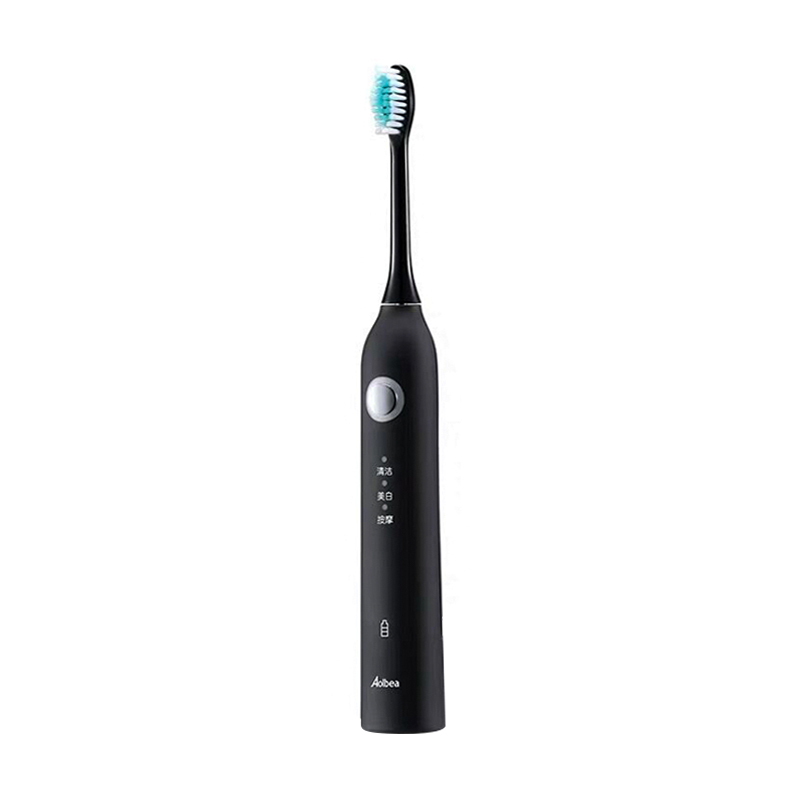
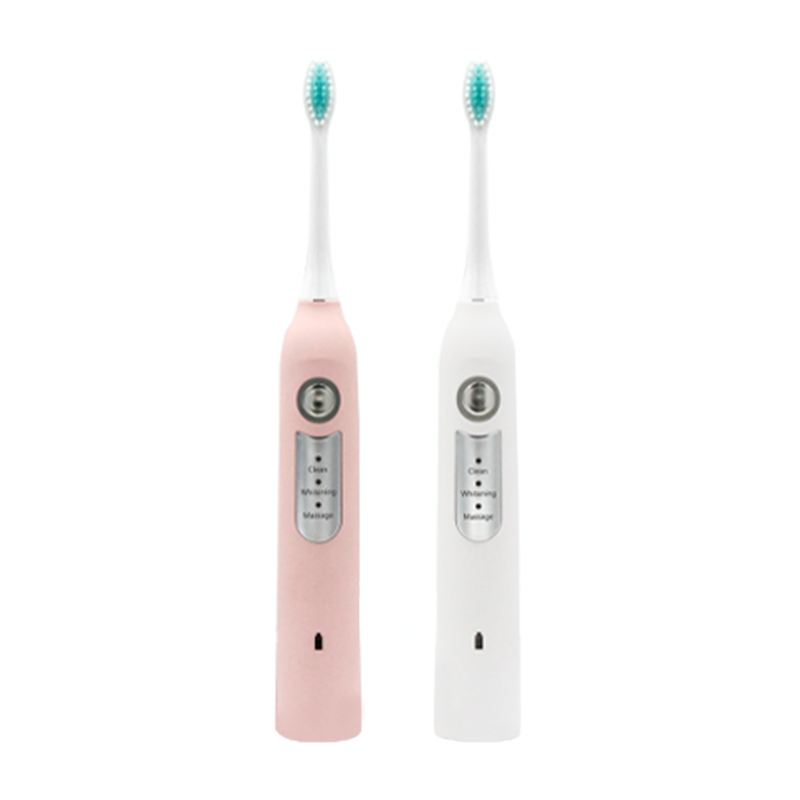
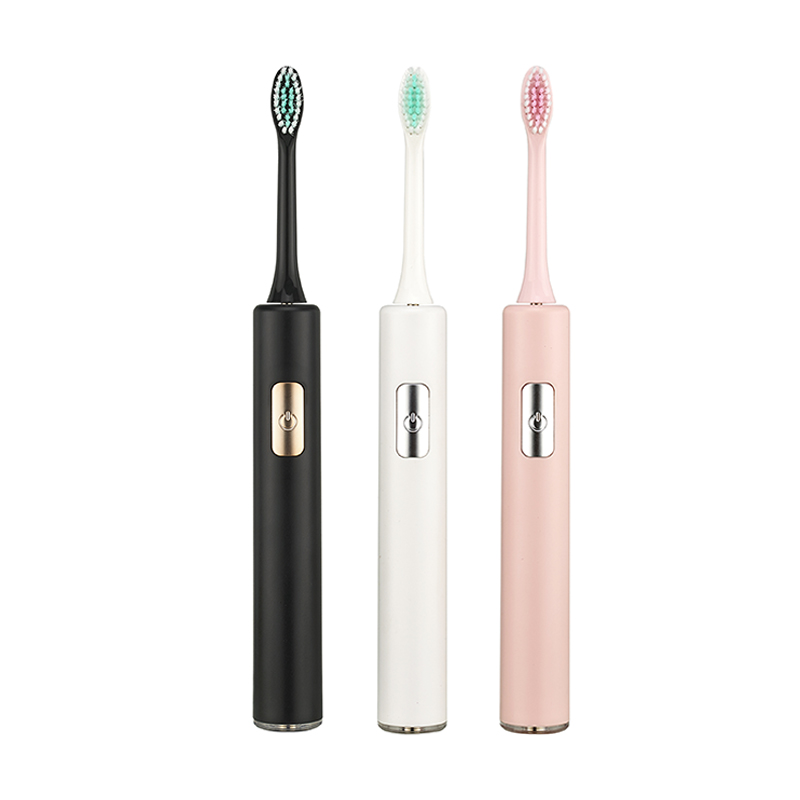
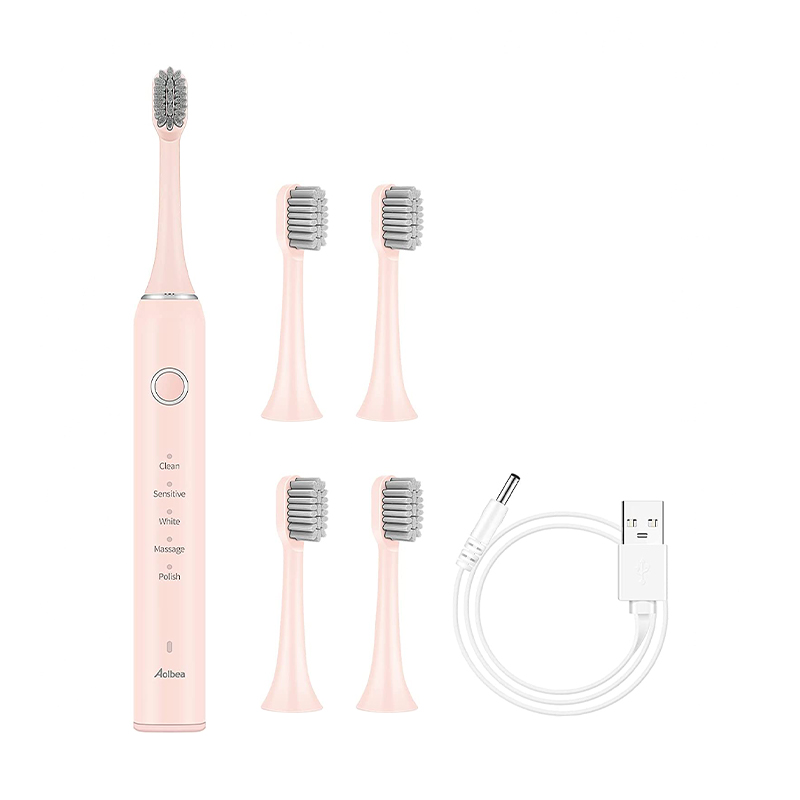
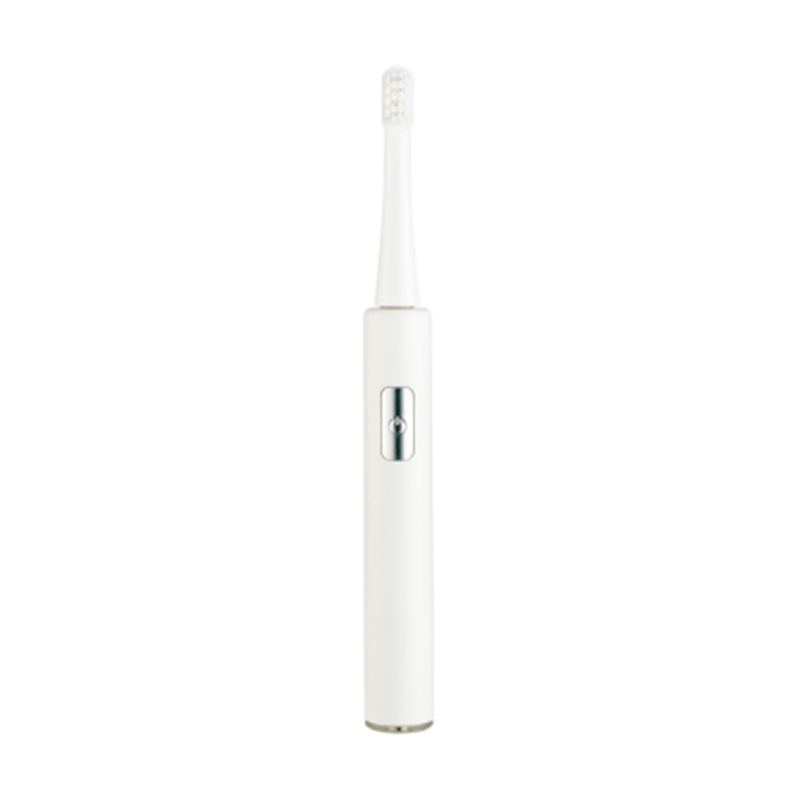

拷贝-1.jpg?imageView2/2/w/600/format/webp/q/100 "ALB-951 Ultra jemná rukoväť pre dospelých na batériu s odtieňmi Sonic Sonic s cestovnou škatuľou")
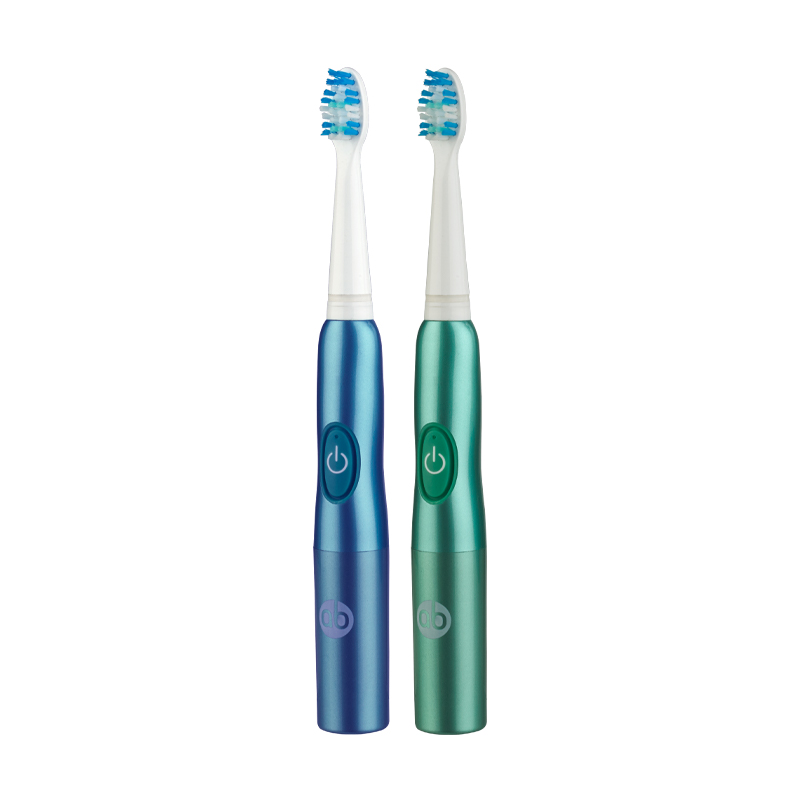
ALB-3022ALB-3022 SONICKÁ BATTERICKÁ ELEKTRICKÁ KURSKA STROJA Dospelá zubná kefka
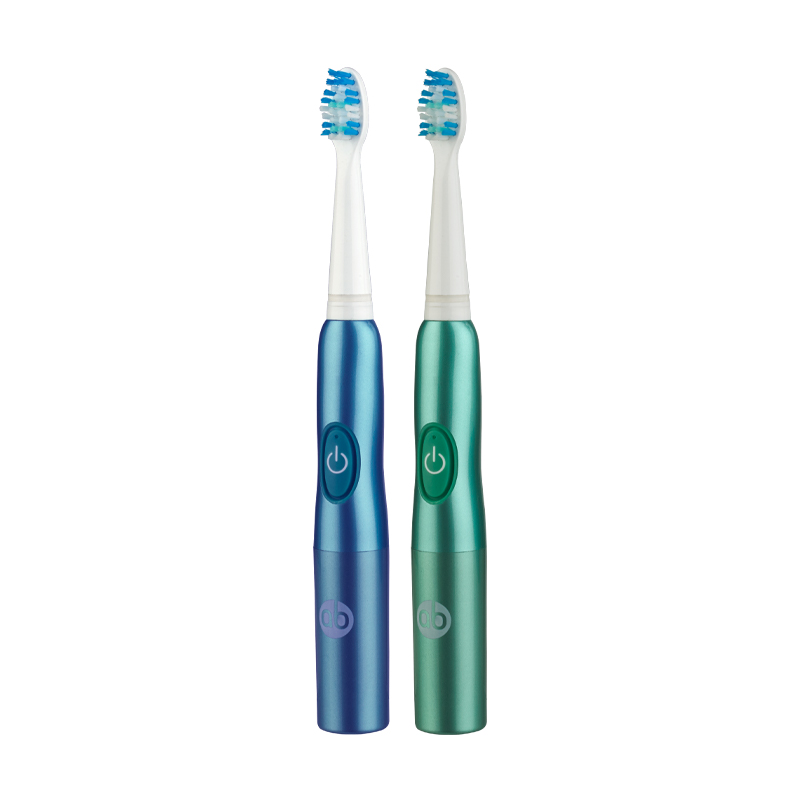


Sonic Electric zubná kefka: Pri pôsobení vysokofrekvenčnej vibračnej frekvencie až 30 000-krát vytvárajú jemné štetiny silnú „čistiacu silu tekutiny“ medzi ústami a zubami, hlboko vyčistite odumreté rohy úst, do ktorých sa štetiny ťažko vstúpili do zubov, a jemne vyleští zubné škvrny na povrchu zubov, hlboko do zubov. recesia. Kvapalina zubnej pasty súčasne vytvára silnú tečúcu čistiacu silu a dopad na prasknutie peny zubnej pasty pod pôsobením vysokofrekvenčných vibrácií, ktoré môžu hlboko vyčistiť čistiace sa slepé oblasti vrátane medziskupinových priestorov. A môže pokryť líniu ďasien, molárnu oblasť a malé nerovnomerné miesta na povrchu zubov, aby sa dosiahol cieľ orálneho čistenia bez slepých uličiek. .
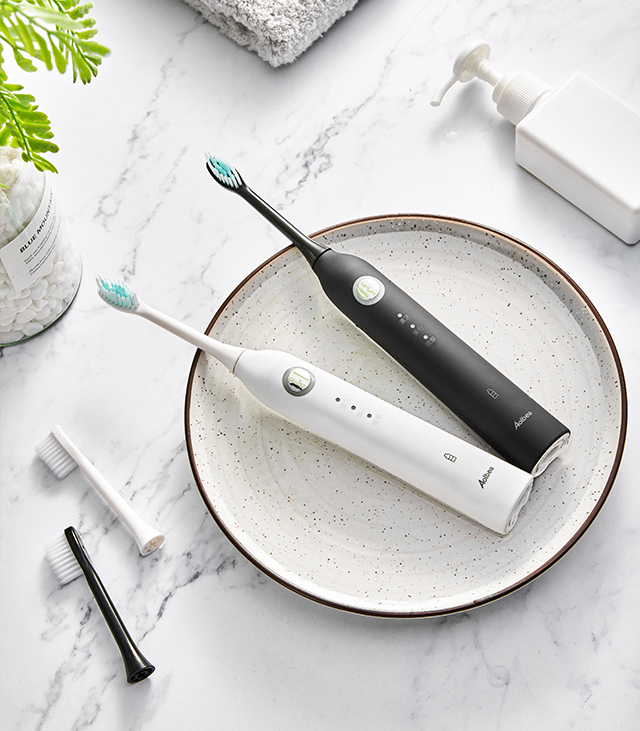

Naša spoločnosť bola založená v roku 1986 a vyvinula sa zo skorého továrne špecializujúceho sa na výskum a vývoj a plastové plesne a Výroba zubných kefiek a zdravotníckych výrobkov pre globálneho dodávateľa výrobkov orálnej starostlivosti, ktorý v súčasnosti integruje Výskum a vývoj, výroba a predaj ústnych výrobkov, ako sú manuálne zubné kefky, elektrické kefky na zubné kefky, medzidenné kefy a zubná niť atď. Po takmer 30 rokoch nepretržitej akumulácie a inovácií sa spoločnosť stala jednou z najväčšieho profesionála jedného z elektrických podnikov na výrobu zubov.
Pevne dodržiavanie podnikového poslania „zamerania sa na novú technológiu zdravej zubnej starostlivosti a podporu udržateľného Vývoj ľudského ústneho zdravia “, naša spoločnosť sa zaviazala k hĺbkovému výskumu a rozvoju ústnej starostlivosti Produktová technológia. V súčasnosti spoločnosť vyrába a predáva všetky druhy inteligentných zubných kefiek pre deti, detské elektrické zubné kefky; Dospelé elektrické zubné kefky, zariadenia na čistenie elektrických zariadení pre dospelých, dýchacie patentové zubné kefky a ďalších viac ako 30 sérií produktov, takmer 100 modelov, s nezávislými právami duševného vlastníctva rôznych Patenty viac ako 130, v priemysle elektrickej zubnej kefky v hlavnej pozícii. Je to národný high-tech podnik. Medzitým sa rôzne výrobky vyvážajú viac ako 100 krajín a regiónov na piatich kontinentoch na svete a získali dobrú povesť zákazníkov doma a v zahraničí. Vo svete av Číne si stále viac ľudí vyberá Orbea. Za posledných 30 rokov bola Orbea neustále rozvíjanie kvality a služieb produktu.
拷贝-1.jpg "ALB-951 Ultra jemná rukoväť pre dospelých na batériu s odtieňmi Sonic Sonic s cestovnou škatuľou")

Ak sa v priebehu času niečo opotrebuje, nájdete tu ten správny produkt. Pokračujte v poskytovaní dodávok produktu bez obáv pre každého zákazníka.
A Sonic Electric Toothbrush generates rapid vibration, typically tens of thousands of movements per minute, which creates fluid motion in saliva and toothpaste that can reach slightly beyond where the bristles physically touch. This fluid dynamic action is one of the main differences between sonic technology and simpler back-and-forth brush motion. For households comparing options, the Sonic Electric Toothbrush line is built around consistent vibration output, multiple brushing modes, and a handle designed for stable daily grip. The sections below use charts to walk through vibration frequency, battery behavior, mode preferences, and overall attribute balance so the information is easier to scan.
Vibration frequency is often used as a general indicator of how actively a brush head agitates fluid around the teeth and gumline. The horizontal bar chart below compares an illustrative frequency range for sonic technology against slower oscillating motion and standard manual brushing, measured in approximate movements per minute. Sonic technology typically operates at the highest end of this range, which is part of why fluid agitation is more noticeable during use. Oscillating motion sits in the middle since it relies on mechanical rotation rather than rapid vibration. Manual brushing depends entirely on hand movement, so its effective rate varies significantly from person to person.
Battery behavior is an important practical factor for a sonic electric toothbrush, since consistent vibration output depends on stable power delivery. The line chart below shows an illustrative battery level curve across a typical two-week usage period between charges, based on general manufacturer specifications for rechargeable oral care devices. Battery level generally declines gradually with twice-daily use before reaching a point where a recharge is recommended. Some devices include a low-battery indicator light that activates in the final few days of the cycle. Charging habits, such as topping up briefly rather than waiting for a full depletion, can also influence how consistently the curve holds up over time.
Sonic electric toothbrushes commonly include several brushing modes, such as clean, sensitive, whitening, and gum care, and usage tends to differ based on individual dental needs. The column chart below groups mode preference into four categories based on general product-feedback patterns. The standard clean mode is typically the most used setting since it suits everyday brushing needs for most users. Sensitive mode is selected by a meaningful portion of users, often those with gum recession or recent dental treatment. Whitening and gum care modes make up smaller shares, generally used situationally rather than as a daily default.
Choosing a sonic electric toothbrush usually involves balancing several attributes rather than optimizing for just one. The radar chart below compares five common attributes: cleaning power, gum comfort, battery endurance, noise level, and portability. Cleaning power and gum comfort often score close together in well-designed models because vibration intensity and mode variety work together to protect sensitive areas while still clearing plaque effectively. Noise level tends to be rated slightly lower simply because vibration-based devices are rarely silent, which is a normal characteristic of the technology rather than a defect. Portability is generally rated well since most handles are compact and travel-friendly compared to larger appliances.
Understanding the components behind sonic vibration technology can help clarify what distinguishes one device from another during daily use. The table below summarizes common features found across sonic electric toothbrush systems.
| Feature | Typical Function |
| Magnetic drive motor | Generates consistent high-frequency vibration |
| Multiple mode selector | Adjusts intensity for different brushing needs |
| Built-in timer with pacing alerts | Encourages full two-minute brushing sessions |
| Sealed waterproof housing | Supports safe use in wet bathroom conditions |
Consistent internal components matter for any device that relies on precise, repeated vibration output over years of daily use. Ningbo Huiho Cosmetics Packaging Co., Ltd. is located in Ningbo, Zhejiang Province, an area sometimes referred to as the "Venice of the East," and operates as a professional manufacturer of large-scale daily cosmetics packaging in China. After years of continuous research, development, and innovation, the company's products have earned recognition and trust from domestic and international partners, helping establish a strong reputation within the cosmetics packaging industry. This background supports the quality control applied to items such as the Sonic Electric Toothbrush, where consistent motor calibration and sealed housing assembly help maintain steady performance over time. Strong manufacturing process control is generally a useful indicator of dependable bulk order quality for distributors and retailers.
Sonic technology relies on rapid vibration that agitates fluid around the teeth, while oscillating motion relies on mechanical rotation of the brush head itself.
Many rechargeable models are designed to support roughly one to two weeks of twice-daily use before a recharge is needed, depending on usage habits.
Many models include a dedicated sensitive mode with reduced intensity, which is generally more comfortable for users with sensitive teeth or gums.
Higher intensity modes can draw slightly more power, so frequent use of stronger settings may shorten the interval between charges somewhat.
Checking connector shape and compatibility listed on the product page, such as the Sonic Electric Toothbrush specifications, helps ensure a proper fit.
Spoliehanie sa na profesionálny dizajn, sofistikovanú výrobu plesní a pokročilé vybavenie, a Perfect Management, rôzne produkty spoločnosti sa vyvážajú na viac ako 100 Krajiny a regióny na piatich kontinentoch.
 West Zhengxiang Village, Zhengxiang, Yuyao City, Zhejiang, Čína.
 +86-13952799285/+86-574-62291690
 +86-574-62294590

