
Phone:+86-13952799285
A baby's first tooth usually breaks through at around six months, and dental guidance is clear that brushing should start that same week. Yet the toothbrush aisle splits parents into two camps almost immediately: soft manual brushes sized for infant gums, and battery-powered brushes that light up, hum, and promise easier cleaning. The question every family ends up asking is simple: is a baby electric toothbrush genuine oral care, or just a toy with batteries?
The short answer is that it is a genuine tool, but only when the specification matches a baby's mouth. From roughly the toddler stage onward, a well-designed electric brush with ultra-soft bristles, a compact rounded head, and gentle vibration removes plaque more consistently than hurried manual brushing, because it does the cleaning work while the child is still learning coordination. For younger babies with only a few teeth, a super-soft manual small-head brush remains the safer starting point. Everything below explains the numbers behind that distinction, the specifications worth checking, and how powered brushing fits into a daily routine.
When Can a Baby Start Using an Electric Toothbrush?
Most pediatric dental guidance recommends beginning oral care at the first sign of a tooth, usually between four and ten months, using a soft cloth, a finger brush, or a manual brush with extra-soft filaments. Powered brushing then enters the picture in stages. Infant-specific vibration brushes, which move gently and are operated entirely by a parent, can be introduced once a baby accepts a brush in the mouth without distress. A child-held electric toothbrush generally works best from around age two, when most toddlers can grip a handle, keep their mouth open, and tolerate the sensation. Our overview of when children can start using an electric toothbrush covers the age question in more detail.
Readiness matters more than the calendar. If a toddler fights the vibration, gags on the brush head, or simply chews the bristles, step back to a manual brush and retry a few months later. Before that first electric brush arrives, the manual brush a baby uses sets the foundation: a super-soft, small-head design cleans emerging teeth without scratching thin enamel or newly erupted gums.
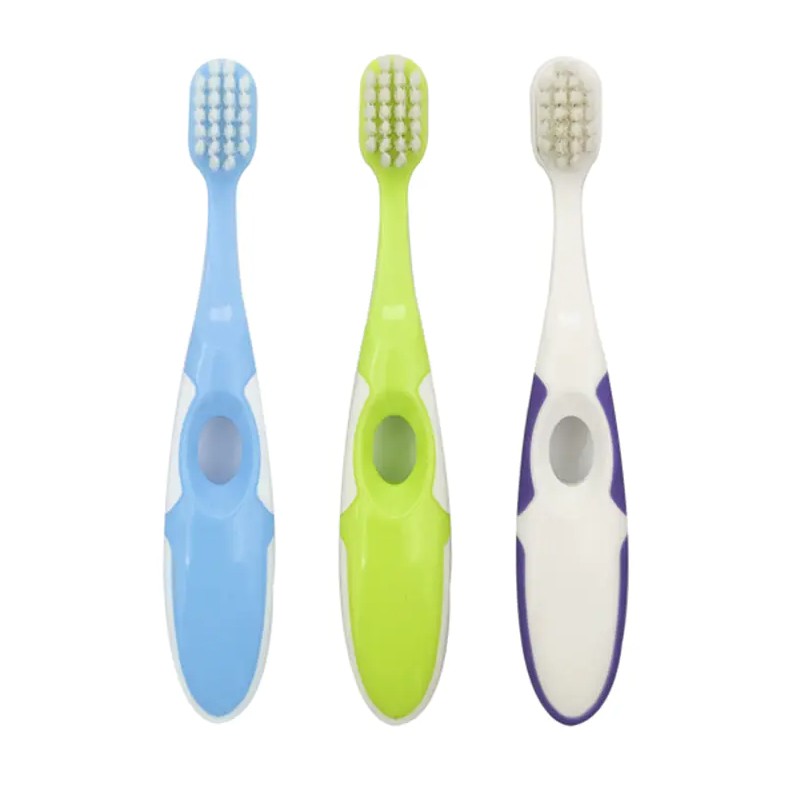
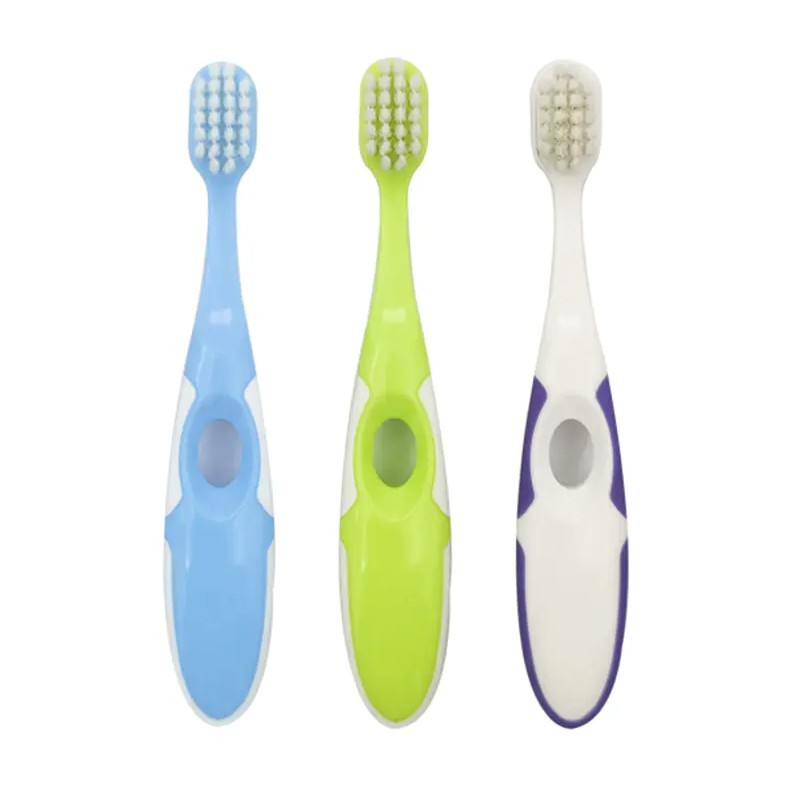
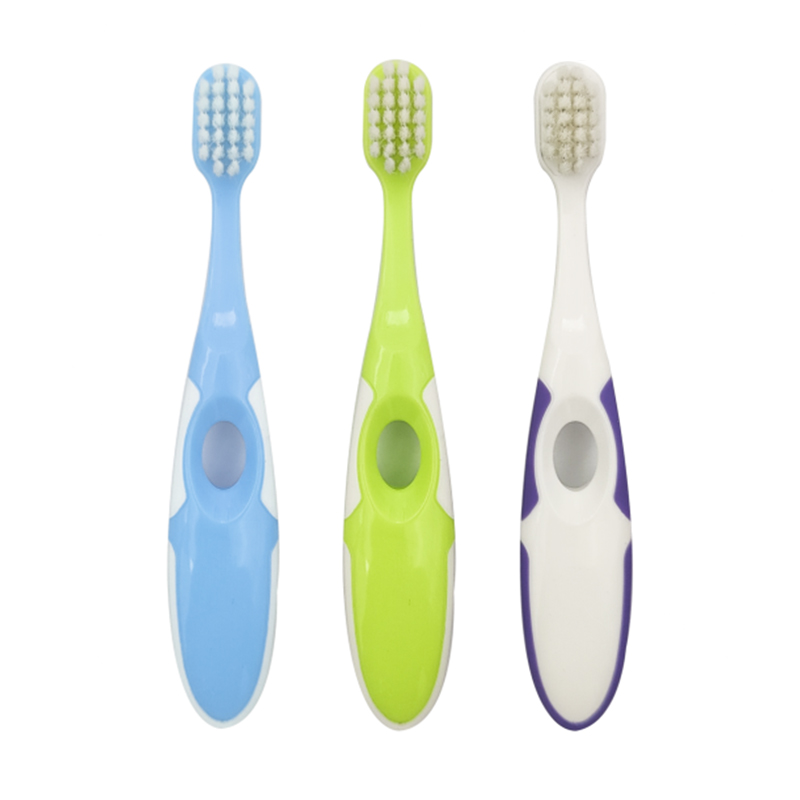 LB-4508 Kids Super Soft Small Head Toothbrush A super-soft, small-head manual brush with high-density flocking bristles that gently clean emerging baby teeth. Before choosing an electric model, this gentle option builds the brushing foundation for thin enamel and delicate gums. View Product →
 The Frequency Gap Between Baby and Adult Brushes
The single most important number on the box is movement frequency. Adult sonic brushes commonly reach about 33,000 strokes per minute, which is excellent for fully erupted permanent teeth but far too aggressive for primary teeth, thin enamel, and soft gum tissue. Oscillating designs built for young children work at roughly 6,000 movements per minute, sweeping each tooth individually rather than flooding the whole mouth with vibration. The chart below shows how wide that gap is across the three common brush classes.
Typical Brush Movement Frequency by Brush Class
Typical design ranges: toddler oscillating brushes clean at about 6,000 movements per minute, entry sonic brushes for older children run near 20,000, and full-size adult sonic brushes reach about 33,000.
The comparison makes one thing obvious: an adult brush is not a scaled-down version of a baby brush, it is a different machine. A toddler's enamel is thinner than an adult's, so the power that lifts plaque from a permanent molar can irritate gums and wear down developing surfaces. Gentle movement also keeps the experience tolerable, and a brush that stings tends to leave the bathroom within a week. When comparing products, check the stated frequency and treat anything in the toddler range as appropriate. Frequency is also the easiest specification to blur with marketing language, so a number on the box beats the word powerful every time.
Baby Electric Versus Baby Manual: An Honest Scorecard
Neither format wins on every axis, and pretending otherwise helps nobody. Widely cited clinical reviews of powered brushing report that electric brushes remove measurably more plaque and reduce gum inflammation compared with manual brushing over three months, findings that carry over to supervised children's use. Manual brushes, on the other hand, stay cheap, silent, and nearly indestructible, which matters when a brush lives in a diaper bag. The radar chart below scores the two formats across six dimensions that parents actually notice day to day.
Baby Electric vs Baby Manual: Six-Dimension Comparison
The two polygons overlap far more than marketing suggests. Powered brushing earns its clearest advantages in plaque removal, child engagement, and independent use, because the brush does the work while lights and sounds hold attention long enough to finish the job. Manual brushes win on cost, upkeep, and travel simplicity, since there is no charging cable, no battery door, and nothing to break when the brush drops from a high chair. Gentleness stays slightly ahead for manuals only because a careless adult can press a powered head too hard against small gums. For most families the practical answer is sequencing: manual brushes for the first teeth, then a gentle electric brush once the toddler stage arrives and brushing becomes a skill the child performs rather than a chore performed on them. Our overview of children's manual toothbrushes shows what that first stage looks like.
A Buyer's Checklist: Eight Specifications to Verify
Shelf appeal is designed to be loud, while the specifications that matter are quiet. The table below lists the eight details worth confirming before any baby electric toothbrush goes into the cart. Every item can be checked from the packaging, a product page, or a one-line question to the supplier.
| Specification | What to look for | Why it matters |
|---|---|---|
| Age labeling | Explicit age range on the packaging | Head size, vibration intensity, and handle diameter are tuned to each stage |
| Brush head | Compact rounded head sized for one or two baby teeth | Adult-sized heads gag small mouths and miss back teeth |
| Bristles | Ultra-soft filaments with rounded tips | Baby enamel and gums are thinner and more sensitive than an adult's |
| Movement | Gentle vibration in the toddler range, far below adult sonic speeds | Aggressive vibration irritates gums and discourages use |
| Waterproofing | IPX7 rating with a sealed battery compartment | Brushes live beside the bath and inside small mouths |
| Power | Low-voltage battery or USB charging behind a child-safe cover | Keeps curious fingers away from the power source |
| Timer | Two-minute cycle with 30-second pulses | Structures the routine and prevents rushing |
| Noise | Quiet motor, ideally under 60 decibels | Loud vibration frightens first-time users |
Not every specification carries equal weight in a real purchase decision. The horizontal comparison below ranks the factors that typically drive parent choices in this category, ordered from strongest to weakest. It is an illustrative composite, but it matches a consistent pattern: safety-adjacent features dominate, and entertainment features close the sale.
What Parents Weight Most When Choosing a Baby Electric Toothbrush
Relative purchase priority by factor, on a 0 to 100 scale, based on an illustrative composite of common parent decision patterns for this category.
Read the ranking top to bottom and a purchasing principle emerges. Bristle softness and head size sit at the top because they are physiological requirements, not preferences; a brush that scratches enamel fails no matter how well it sings. Mid-table items such as waterproofing and timers are reliability features that determine whether the product survives daily bathroom life. Fun colors and lights rank lowest for purchase priority yet play an outsized role in whether a toddler cooperates, so they belong in the habit conversation rather than the safety conversation. Buyers comparing suppliers should also note that these factors separate quickly by manufacturer capability, because consistent ultra-soft filament rounding and sealed waterproof housings are both production-quality questions.
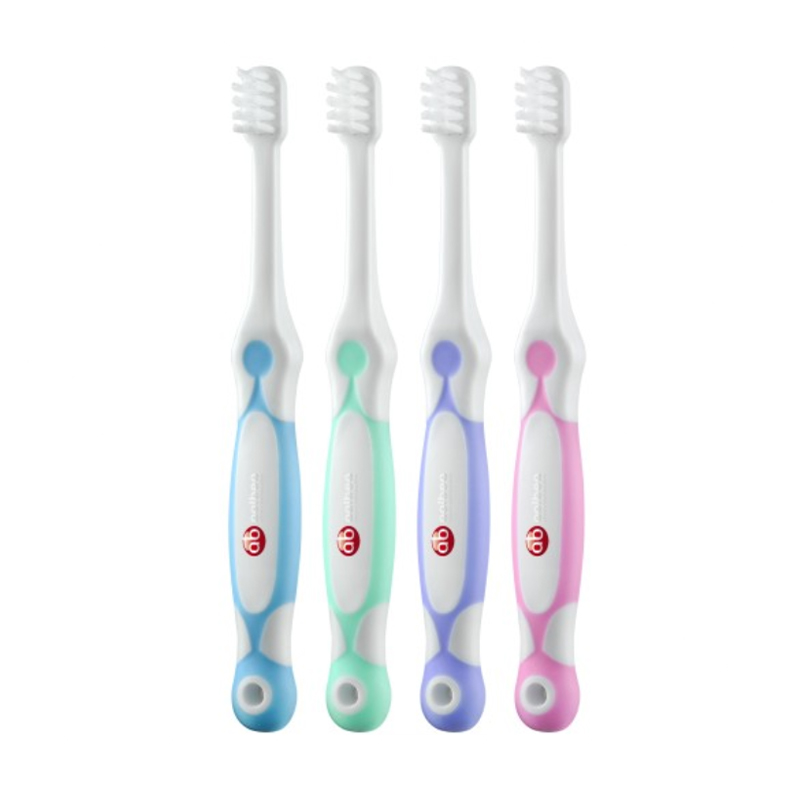 ALB-4500 Children's Soft Bristle Small Head Toothbrush A gentle children's manual toothbrush with soft bristles and a small head. When deciding between manual and electric, bristle softness and head size are the top physiological requirements, making this brush worth comparing. View Product →
 Turning Two Minutes into a Habit
Specification only matters if the brush actually gets used twice a day. This is where baby electric toothbrushes quietly outperform their manual rivals: a built-in two-minute timer with 30-second pulses converts an abstract parental instruction into a concrete game the child can win. Toddler attention spans are short and inconsistent, so the practical measure of success is not first-week enthusiasm but the duration a child tolerates week after week.
Cooperative Brushing Time Over Eight Weeks (Illustrative)
Average cooperative brushing contact time per session across eight weeks of use, comparing a timed gentle electric brush with a manual brush.
The pattern above reflects what manufacturers and parents consistently observe with guided use rather than a single clinical trial. Manual brushing plateaus early: a toddler settles into roughly one minute of actual contact and rarely extends it, because nothing external tells them when to move on. A gentle electric brush with a timed cycle starts at the same place but climbs as the pulses become a familiar rhythm, typically reaching the full two-minute target between weeks five and six. Parents can accelerate the curve by brushing together, narrating the quadrant changes out loud, and letting the child press the start button. Expect regressions during teething or travel, since the timer restarts the negotiation each evening without anyone counting in their head. For buyers and product planners, this is the strongest argument for insisting on a timer as standard equipment rather than an optional extra.
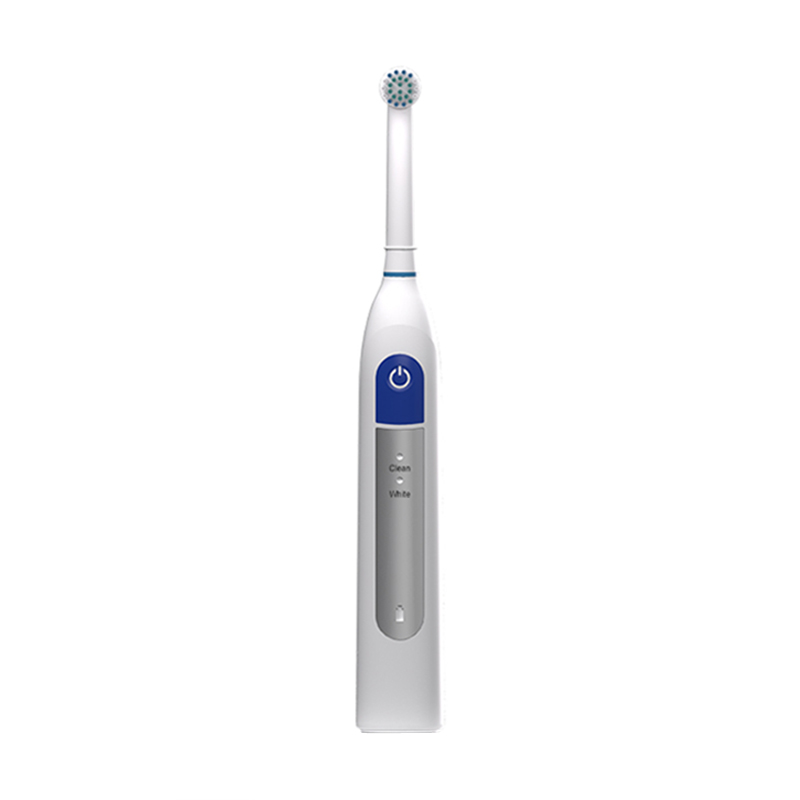
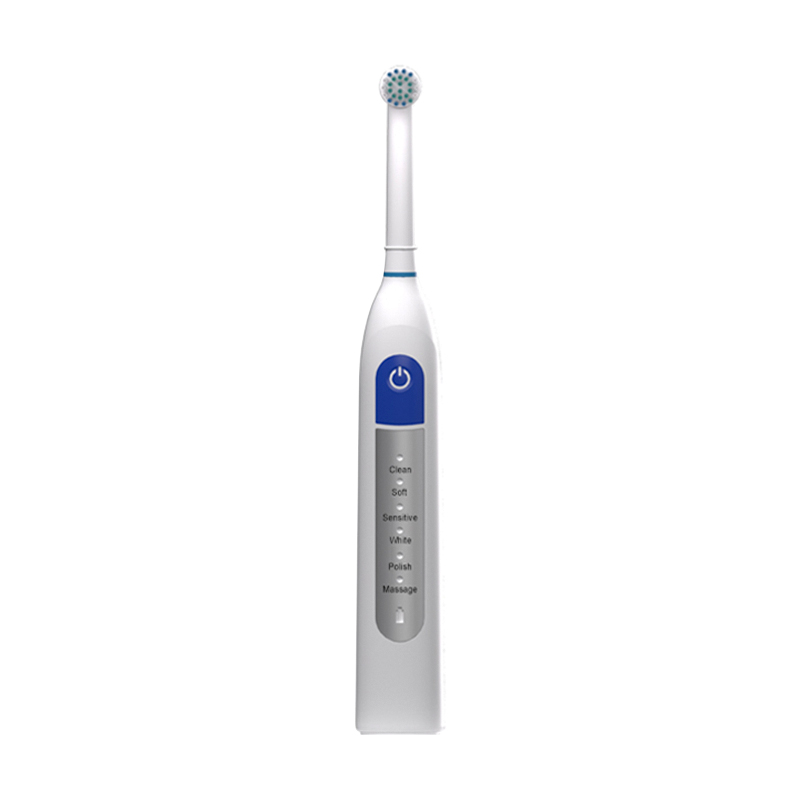
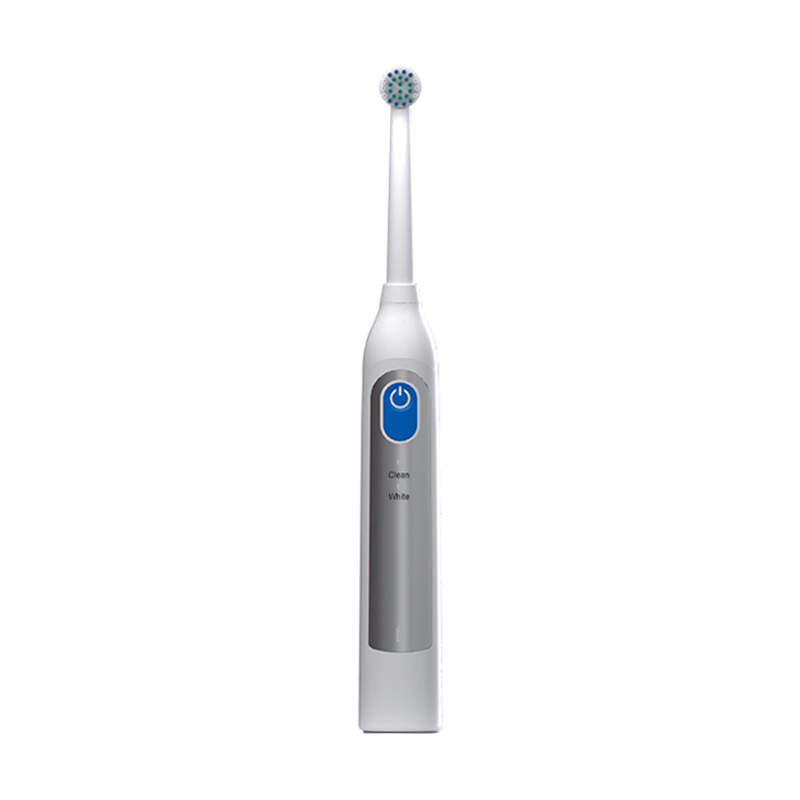
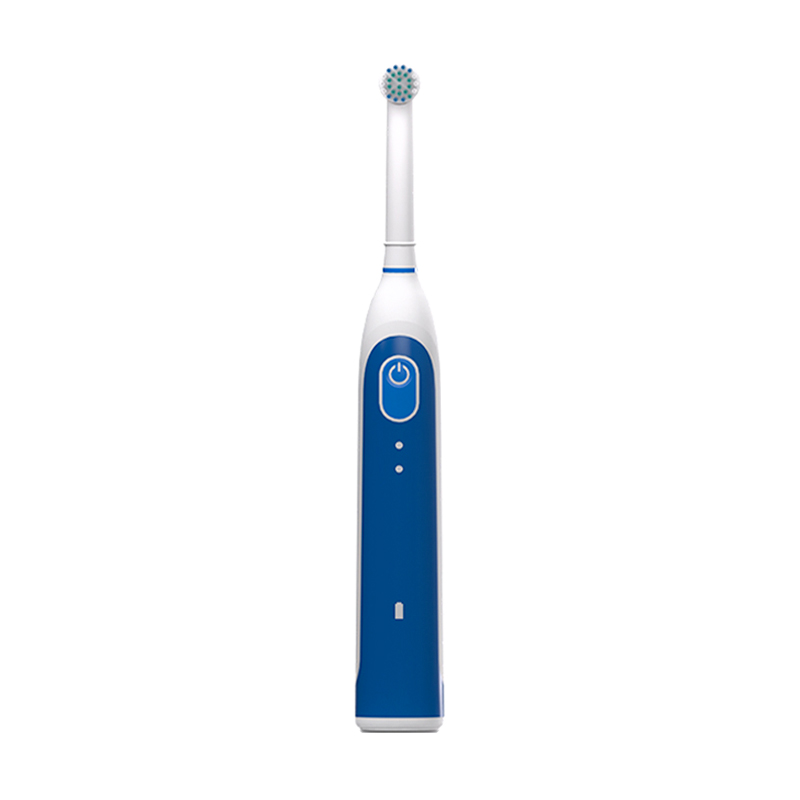
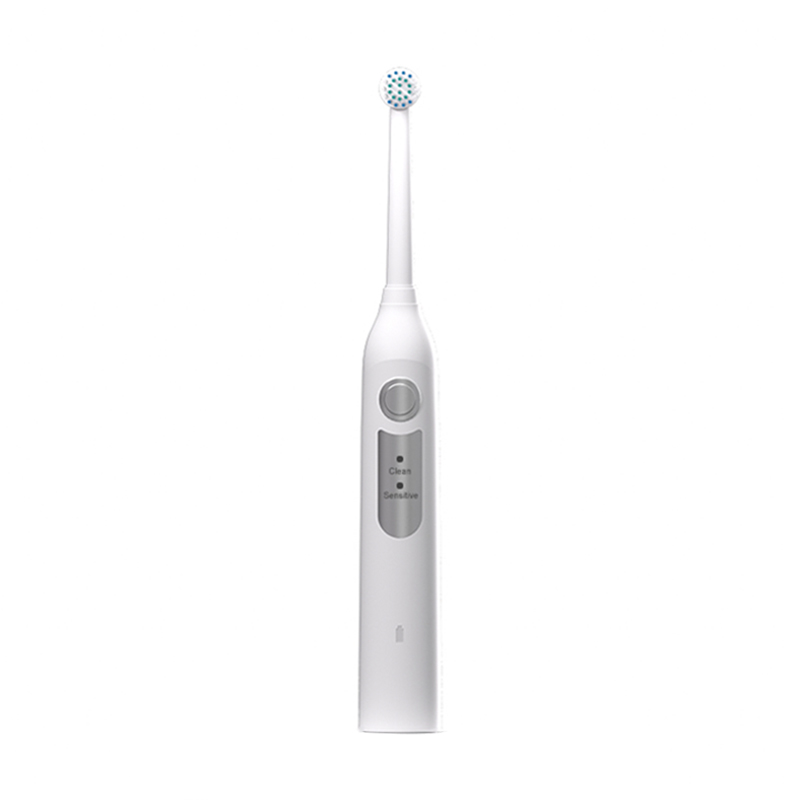
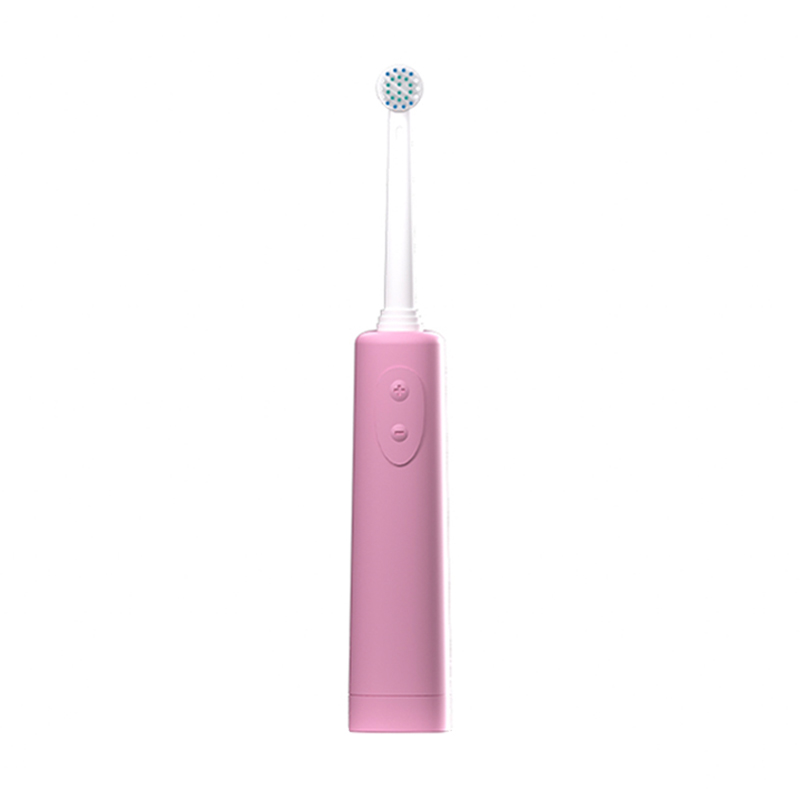
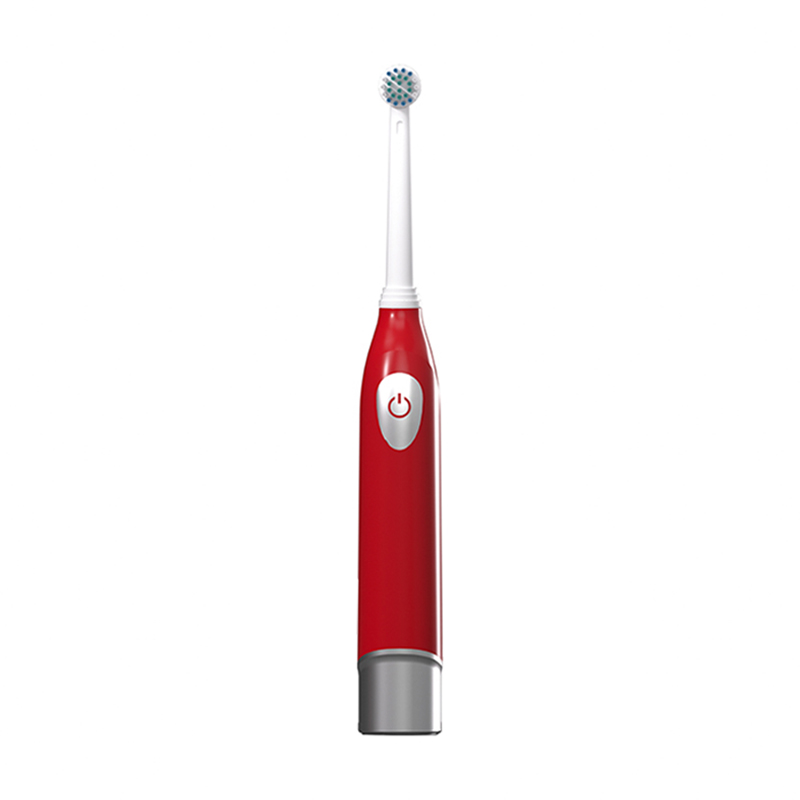
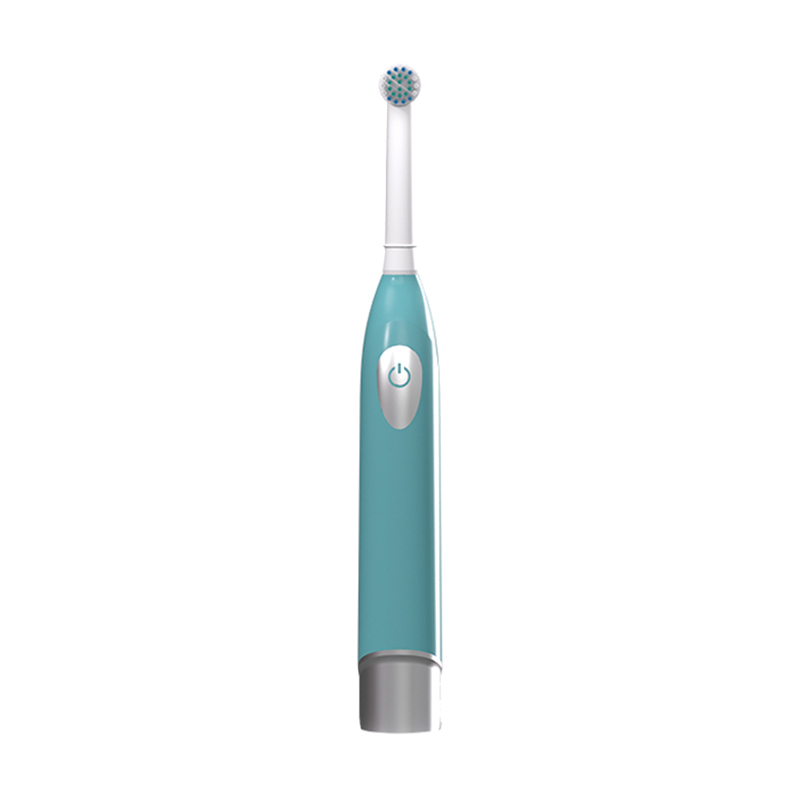
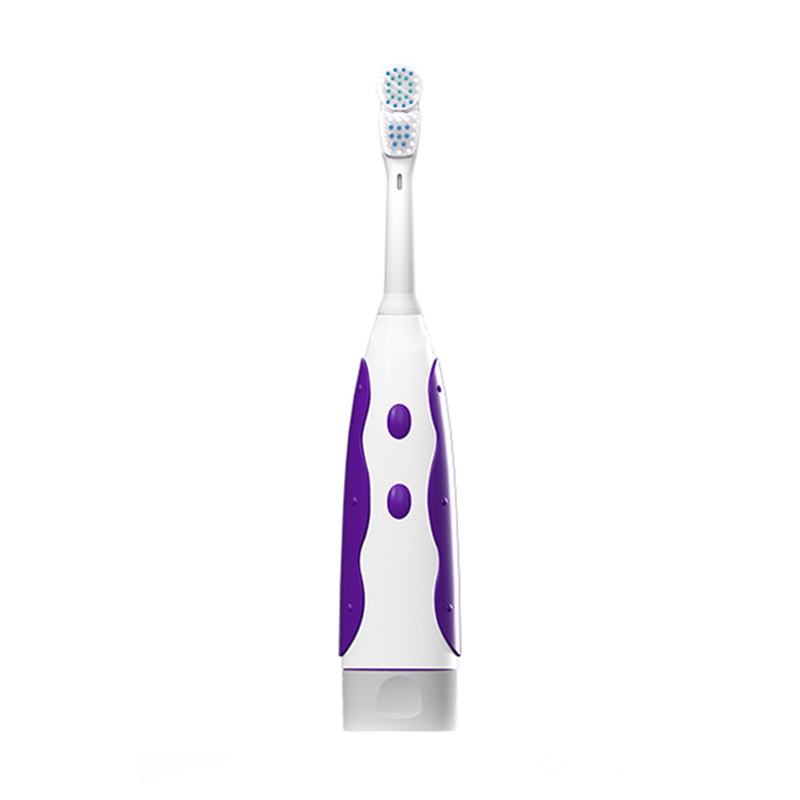
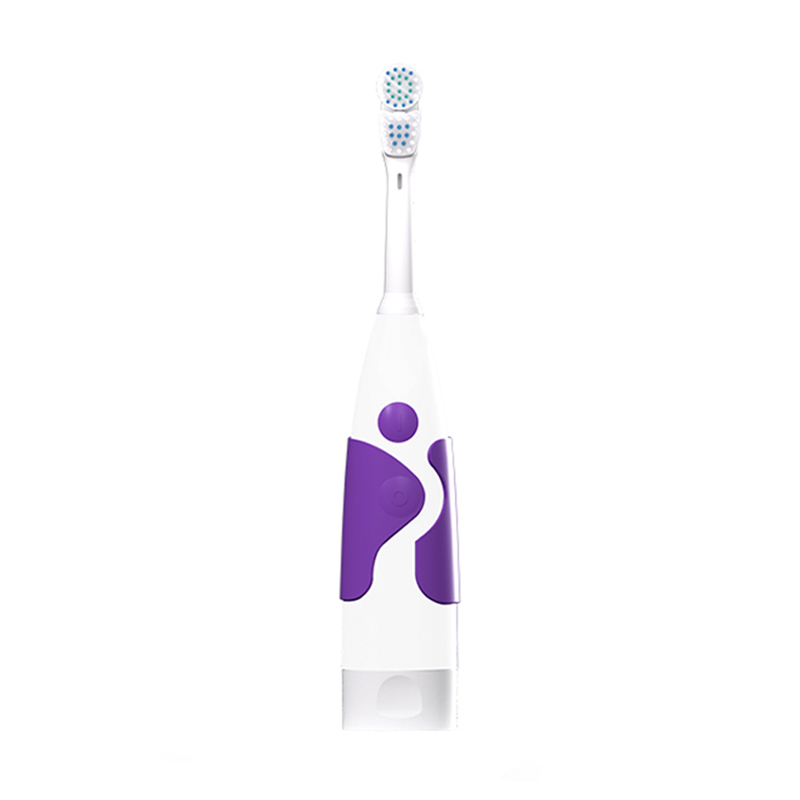
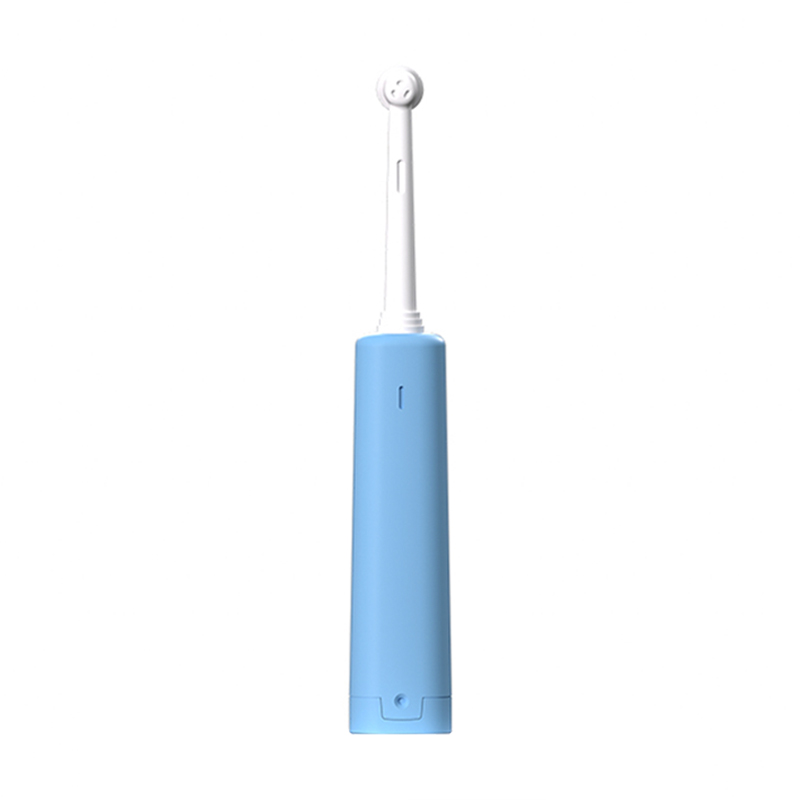 ALB-927 Colorful Kids Electric Toothbrush Battery Powered Brush A battery-powered oscillating electric toothbrush for children, available in several colors. With gentle vibration suited to young users and fun styling that supports daily cooperation, it bridges manual routines toward timed two-minute brushing. View Product →
 Why the Maker Behind the Brush Matters
A baby electric toothbrush is a product where manufacturing depth shows up in the details: filament rounding consistency, mold precision on the battery door, and the seal quality that decides whether an IPX7 rating means anything after three months of steamy bathrooms. Ningbo Aolbea Oral Care Products, founded in 1986 in Yuyao, began as a plastic mold design and manufacturing plant before moving into finished oral care, and that tooling background translates directly into tighter tolerances on small, child-safe components. The company participates in drafting and revising national and industry standards for electric toothbrushes and antibacterial brushes, holds more than 130 patents, and produces both battery-powered oscillating models for children and the super-soft manual brushes that usually come first in a baby's routine.
The practical takeaway is simple. For a baby's first teeth, start manual, ultra-soft, and small. From the toddler stage, choose a gentle electric brush that passes the eight-point checklist above, lean on the timer to build the habit, and replace the brush or head on the same schedule as any toothbrush, roughly every three months or sooner if the filaments splay. Do that, and the baby electric toothbrush earns its place as genuine oral care rather than a toy with batteries.